
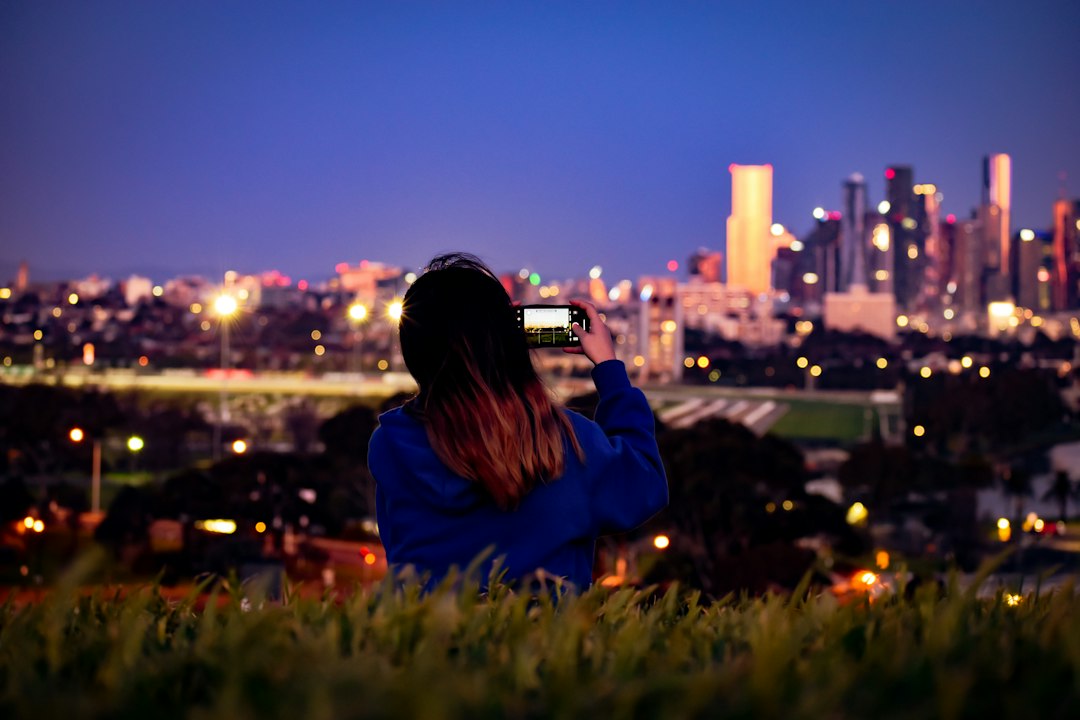
Outdoor photography is a captivating way to capture the beauty of nature while traveling. Whether you are hiking in the mountains, exploring lush forests, or kayaking on serene lakes, the right techniques can help you take stunning photographs that tell a story. This guide will provide you with essential tips and insights to enhance your outdoor photography skills, ensuring you return home with breathtaking images that reflect your adventures.
Understanding Natural Light
One of the most critical aspects of outdoor photography is understanding how natural light affects your images. The golden hour, which occurs shortly after sunrise and before sunset, provides soft, warm light that enhances the colors and textures of your surroundings. During this time, shadows are less harsh, allowing for more balanced exposures and vibrant colors in your photographs.
In contrast, midday sun can create harsh shadows and overexposed highlights, making it challenging to capture the true essence of a scene. To mitigate this, consider using shaded areas or incorporating clouds into your compositions to diffuse the light. By mastering the use of natural light, you can significantly improve the quality of your outdoor photographs.
Composition Techniques
Effective composition is vital in outdoor photography, as it guides the viewer’s eye and creates a sense of balance within the frame. The rule of thirds is a fundamental technique that involves dividing your image into a grid of nine equal parts, placing key elements along these lines or at their intersections. This approach often results in more dynamic and engaging photographs.
Additionally, leading lines can draw the viewer’s attention to the main subject of your image. Whether it’s a winding path, a river, or a row of trees, incorporating these lines can add depth and perspective to your photos. Experimenting with different angles and perspectives can also yield unique compositions that stand out from typical travel photography.
Equipment Essentials
While you don’t need the most expensive gear to take great outdoor photographs, having the right equipment can make a significant difference. A DSLR or mirrorless camera with interchangeable lenses offers versatility, allowing you to adapt to various shooting conditions. A wide-angle lens is particularly useful for capturing expansive landscapes, while a telephoto lens can help you photograph wildlife from a distance without disturbing them.
Additionally, consider investing in a sturdy tripod to stabilize your camera during long exposures or in low-light conditions. A polarizing filter can also enhance your images by reducing glare and increasing color saturation, especially when photographing water or foliage. By equipping yourself with the right tools, you can elevate your outdoor photography experience.
Post-Processing Techniques
Post-processing is an essential step in outdoor photography that allows you to enhance your images further. Software like Adobe Lightroom or Photoshop provides powerful tools for adjusting exposure, contrast, and color balance. Learning how to effectively edit your photos can help you achieve the desired mood and atmosphere that reflects your experience in nature.
However, it’s important to maintain a balance between enhancing your images and preserving their authenticity. Over-editing can lead to unrealistic results that detract from the natural beauty of your photographs. Aim for subtle adjustments that enhance the image while still representing the scene as you experienced it.
Sharing Your Work
Once you’ve captured and edited your outdoor photographs, sharing them with others can be a rewarding experience. Social media platforms like Instagram and photography websites provide excellent avenues for showcasing your work and connecting with fellow photography enthusiasts. Engaging with a community can offer valuable feedback and inspiration for future projects.
Consider creating a portfolio website to display your best images and share your travel stories. This not only serves as a personal archive of your adventures but also allows potential clients or collaborators to discover your work. By sharing your photography, you contribute to the broader narrative of outdoor exploration and inspire others to embark on their adventures.